Primal Flow
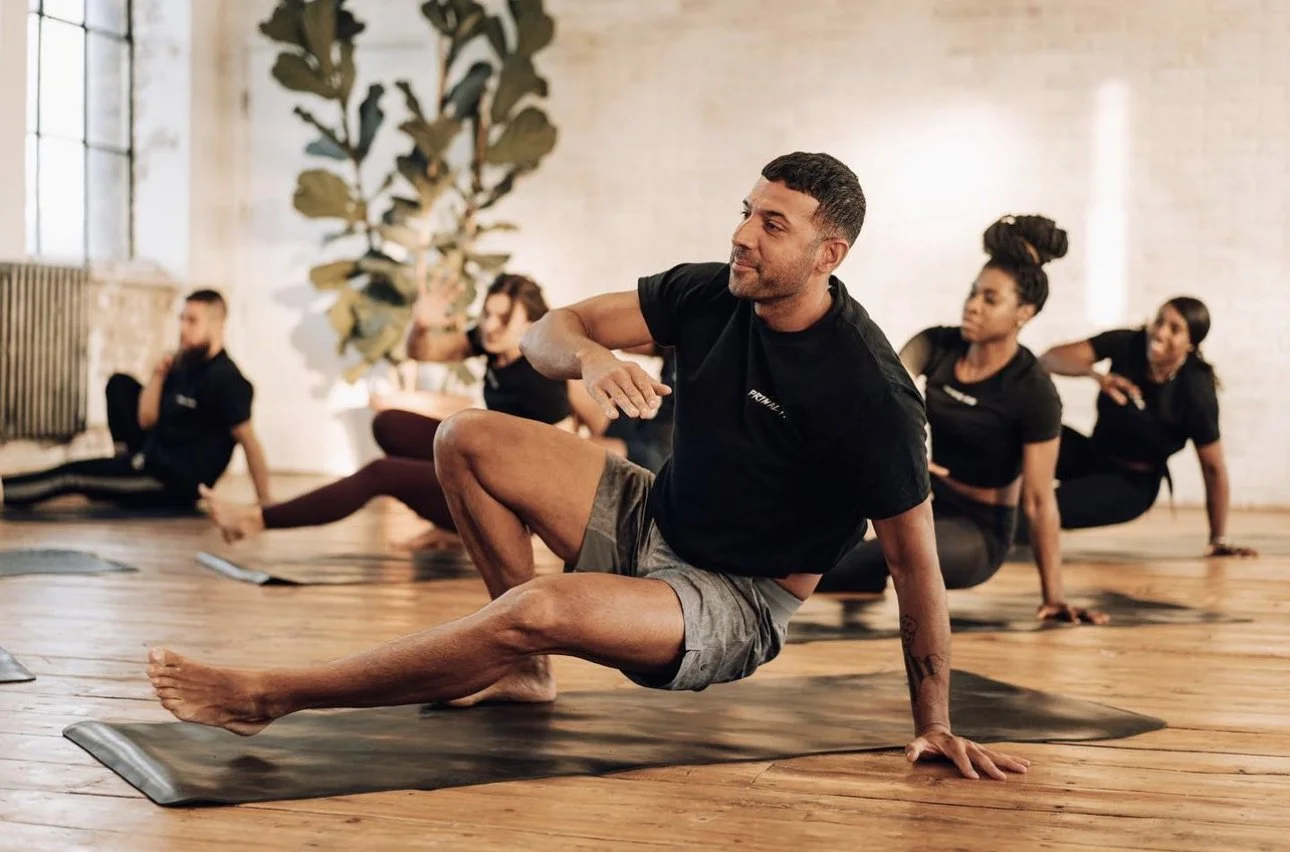
Primal flow is a type of exercise that incorporates movements inspired by animals, such as crawling, jumping, and flowing from one position to another. The origins of this type of exercise can be traced back to various sources, including traditional forms of movement, martial arts, and contemporary fitness trends.
One of the key influences on primal flow exercises is the practice of animal locomotion. This refers to the way animals move, including the different positions and movements they use to navigate their environment. For example, animals such as cats, monkeys, and bears are known for their ability to crawl and move in a fluid, flowing manner.
Another important influence on animal flow is the practice of animal forms in martial arts. In these traditions, practitioners often mimic the movements of animals in their training, such as the fluidity of a snake or the power of a tiger. This can help to develop strength, coordination, and agility, as well as providing a unique and interesting form of movement.
More recently, animal flow has gained popularity as a form of functional fitness. This type of exercise emphasizes the use of movements that are practical and applicable to everyday life, such as crawling, jumping, and lifting. Animal flow exercises fit into this category, as they allow for a wide range of movement and can help to improve functional fitness.
In summary, animal flow exercises originated from a variety of sources, including traditional forms of movement, martial arts, and contemporary fitness trends. These influences have combined to create a unique and effective form of exercise that is gaining popularity for its ability to improve strength, flexibility, and coordination.
If you're interested in incorporating animal flow into your fitness routine, here are some tips to get started.
Start with the basics: Before jumping into more complex animal flow exercises, it's important to master the basic movements. This includes things like crawling, jumping, and flowing from one position to another. Start by practicing these movements on their own, and then gradually incorporate them into more complex combinations.
Use instructional resources: There are a number of instructional resources available to help you learn animal flow exercises, including videos, classes, and online guides. These can provide valuable guidance and instruction to help you master the movements and perform them safely and effectively.
Focus on form: Proper form is important for any type of exercise, but it's especially crucial for animal flow exercises. This is because the movements can be complex and require a high degree of coordination and control. Pay close attention to the alignment of your body and make sure you're using the correct muscles to perform the movements.
Build gradually: Animal flow exercises can be challenging, so it's important to build up gradually. Start with shorter sessions and a smaller number of movements, and then gradually increase the duration and complexity of your workouts as you become more comfortable and skilled.
Incorporate other forms of exercise: Animal flow exercises can be a great addition to any fitness routine, but they shouldn't be the only thing you do. In addition to animal flow, be sure to incorporate other forms of exercise, such as cardiovascular training and strength training, to create a well-rounded fitness program.
Incorporating animal flow exercises into your routine can provide a number of benefits for overall health and fitness. By starting with the basics, using instructional resources, and building gradually, you can learn to perform these movements safely and effectively, and enjoy the many benefits they have to offer.
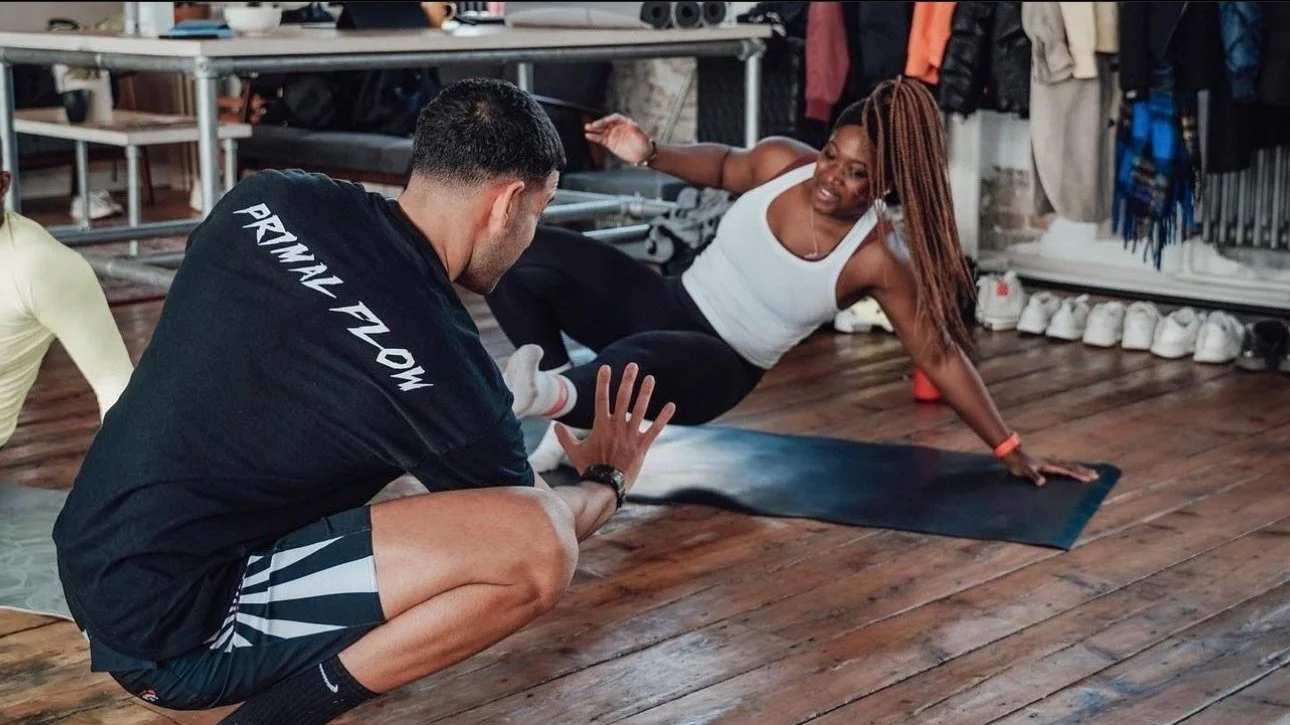
Adrien demoing primal flow movements.